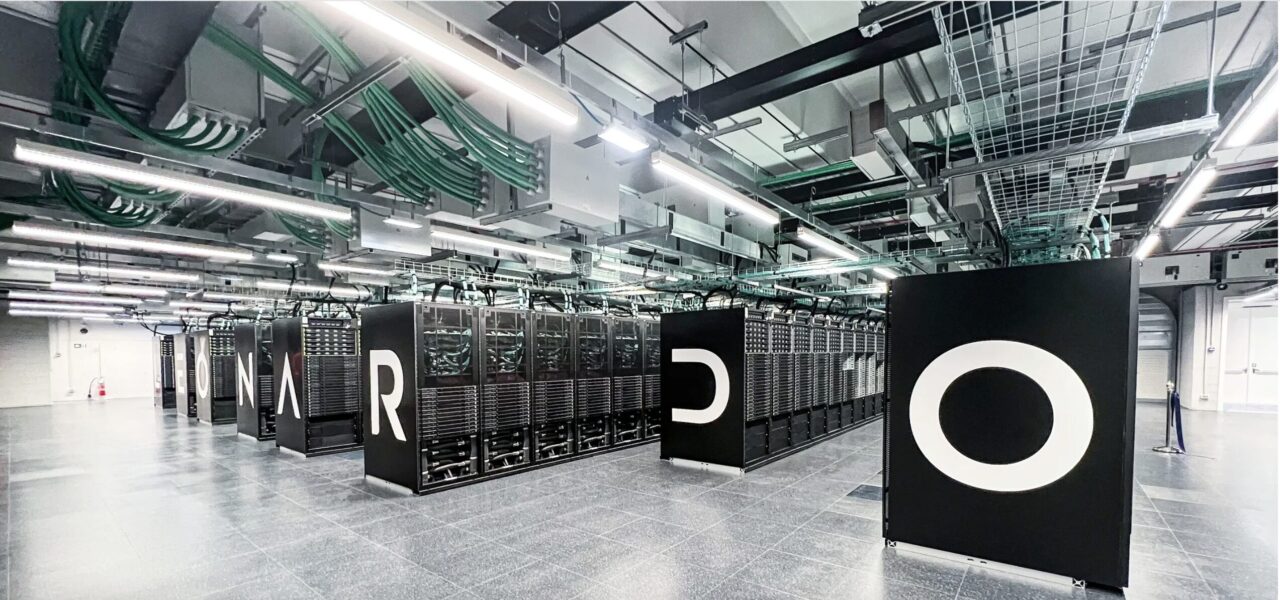
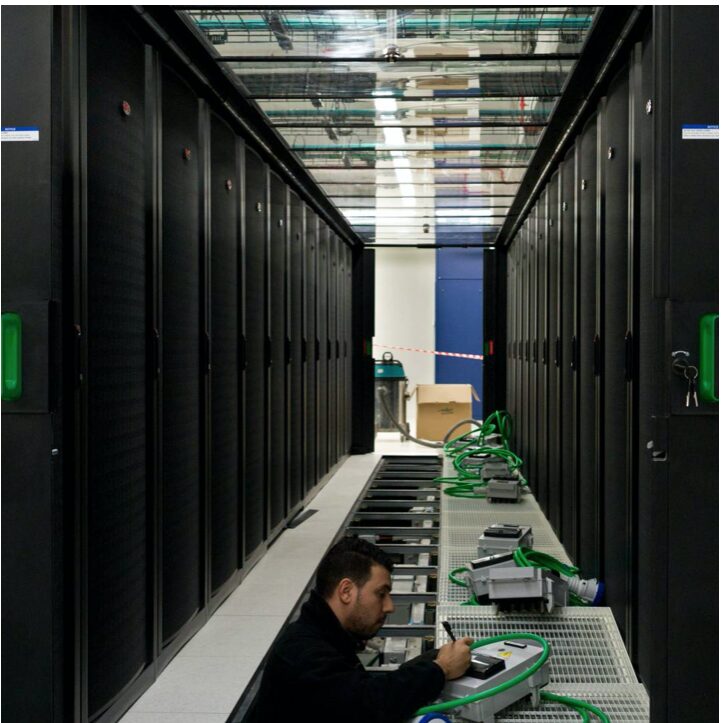
Modularity, power continuity, and scalability are redefining the way electrical distribution is designed in modern data centers.
Power continuity is one of the most critical elements within a data center.
Today, however, the issue isn’t just about energy availability, but the ability of the entire infrastructure to ensure operational continuity, flexibility, and growth over time.
With increasing energy density, artificial intelligence, and IT loads, data centers are becoming increasingly complex infrastructures. For this reason, electricity distribution can no longer be considered a simple technical component, but a strategic part of the entire ecosystem.
According to several industry studies dedicated to critical infrastructure, modern data centers require modular and scalable architectures, designed to support future evolutions without compromising uptime, reliability, and business continuity.
Why downtime is the real problem
When talking about data centers, the focus often focuses on UPS’s, generators, and backup systems.
In reality, electrical distribution also has a direct impact on business continuity.
Any complex intervention on the system may involve:
- risk of operational downtime
- longer maintenance times
- expansion difficulties
- greater installation complexity
- increase in infrastructure hotspots
According to several international analyses dedicated to Data Centers, modularity and standardisation of the infrastructure are fundamental elements for reducing downtime, operational inefficiencies, and management complexity.
The growth of data centers is changing the needs of electricity distribution.
Next-generation data centers must be able to grow rapidly.
Expanding racks, increasing IT loads, and the continued evolution of AI technologies are changing the way power distribution is designed.
According to numerous white papers dedicated to mission-critical infrastructure, modern busway architectures enable more flexible and scalable management of electrical distribution than traditional systems, simplifying future modifications and reconfigurations of the infrastructure.
Industry analyses also highlight how modular data centers are now an increasingly widespread standard thanks to:
- speed of implementation
- design predictability
- flexibility
- future scalability
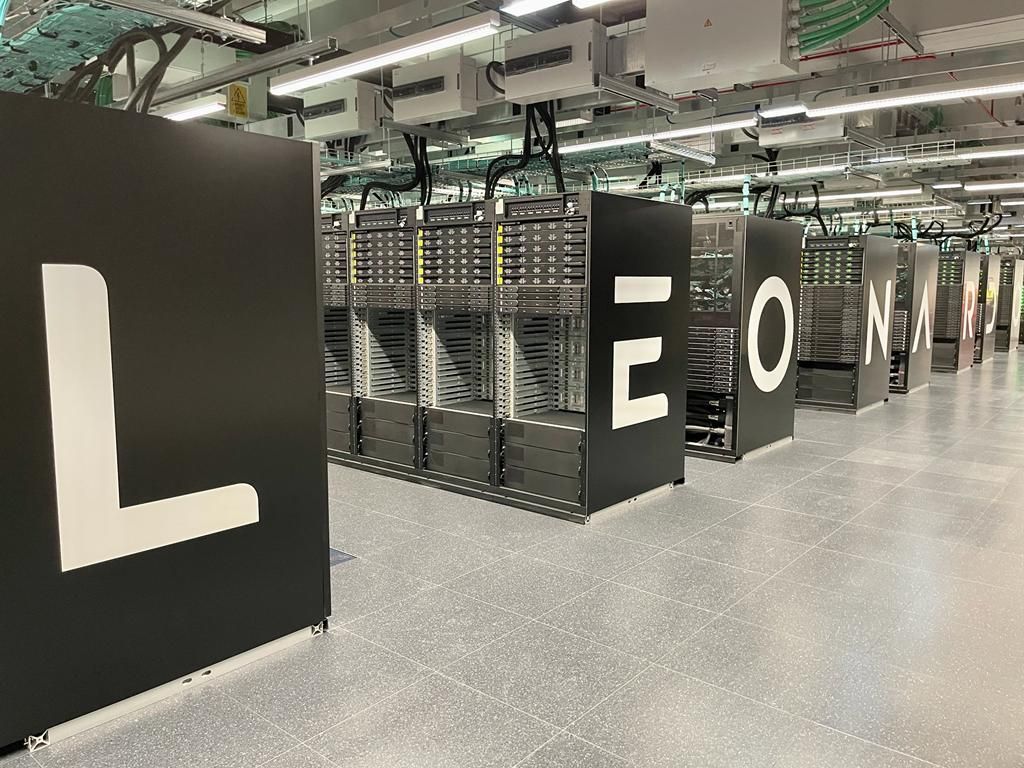
Why busbar trunking is becoming a strategic choice
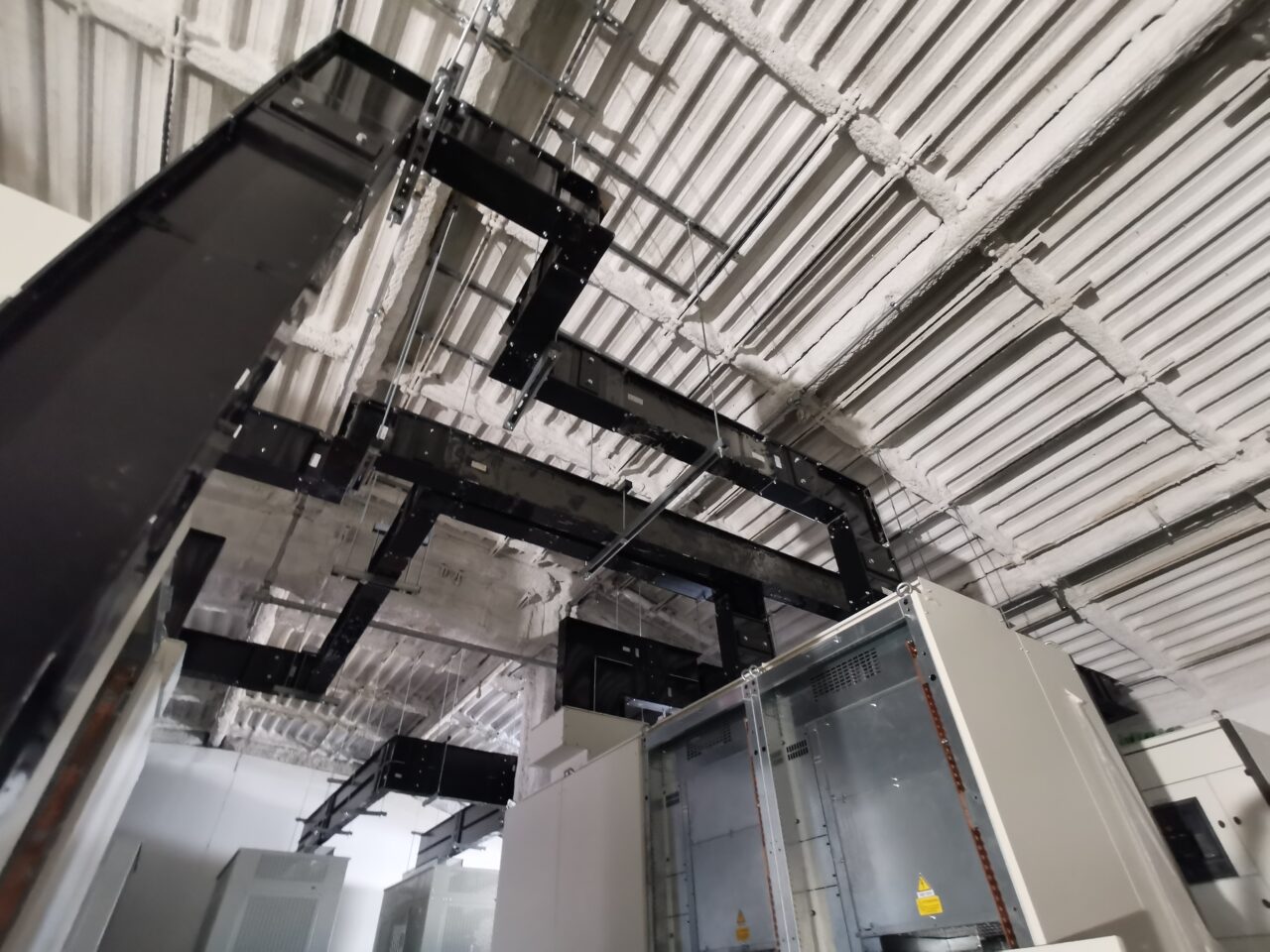
In this scenario, data centre busbar trunking is taking on an increasingly central role in the design of critical infrastructure.
Compared to architectures based exclusively on traditional cabling, busway systems for Data Centers allow you to:
- optimize technical spaces
- facilitate future expansions
- reduce invasive interventions
- improve accessibility and maintenance
- increase the modularity of the system
In energy-dense data centers, these aspects become fundamental to maintaining operational continuity and growth capacity.
According to several analyses dedicated to data center infrastructures, modern busway solutions also allow for faster modifications and re-configurations, maintaining active electrical distribution and reducing system downtime.
Where busbar trunking really makes a difference
In a Data Centre, the ability to add new lines without significantly impacting the existing infrastructure represents a concrete operational advantage.
Modular systems such as busbar trunking allow for:
- speed up future expansions
- simplify maintenance
- improve accessibility and system order
- reduce the impact of changes on operations
These aspects are increasingly central in high-energy density data centers, where flexibility and continuity must coexist with the needs for constant growth.
The role of standards: IEC 61439
Reliability and security must also be supported by regulatory compliance.
The international standard IEC 61439 defines the requirements for low-voltage distribution systems, including busbar trunking systems (busways).
The checks required by the legislation concern fundamental aspects such as:
- thermal behavior
- short circuit resistance
- insulation
- continuity of the protection circuit
- mechanical resistance
- IP protection rating
In mission-critical environments such as data centers, these elements become indispensable to ensure security and business continuity.
Modularity means designing the future
Data Centers are not static infrastructures.
They must be able to evolve rapidly, adapt to new loads and support increasingly energy-intensive technologies without interrupting operations.
This is why today modularity, scalability and accessibility are not simply technical advantages, but essential design criteria.
And it is precisely in this context that distribution systems designed for business continuity can make the difference.
Solutions such as ISOLSBARRA by Graziadio & C. and the modular systems for electrical distribution designed for critical applications allow us to address the needs of:
- energy continuity
- reliability
- protection
- modularity
- future scalability
in a single architecture designed to grow over time.
Because today the real risk in Data Centers is not running out of power.
It is not being able to continue operating.
Learn more about data center power distribution solutions at Graziadio & C.