Understanding the market means more than simply responding to change. It means anticipating it.
At Graziadio, we believe that staying connected to the industries we serve is essential to delivering innovative, future-focused solutions. One of the most effective ways to achieve this is by actively participating in key industry events that bring together experts, innovators, and decision-makers from across the sector.
Exploring the Future of Energy Infrastructure and Data Centres
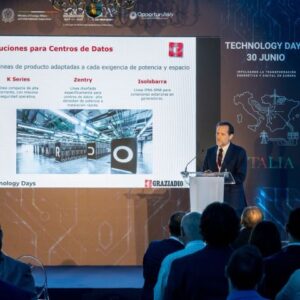
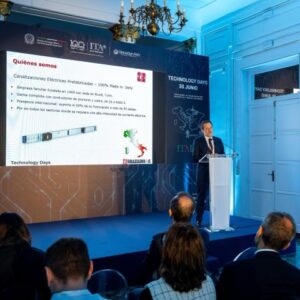
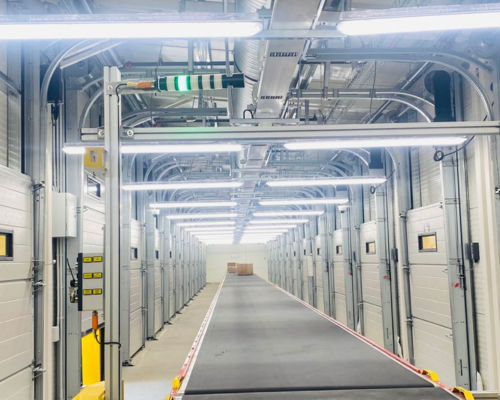
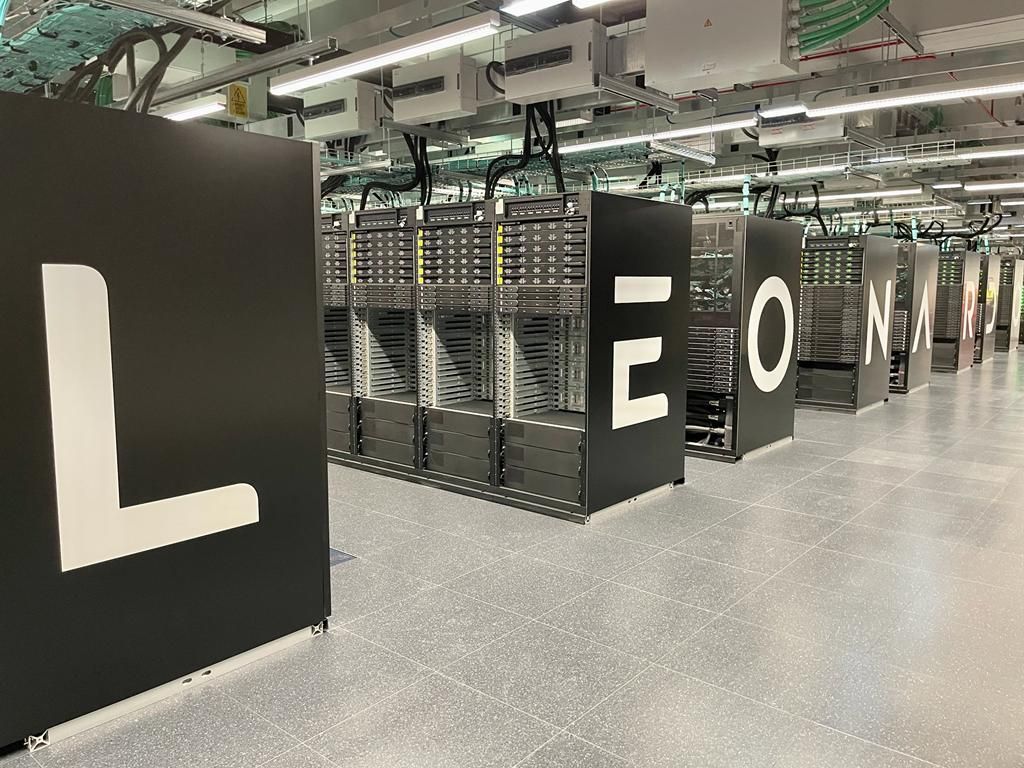
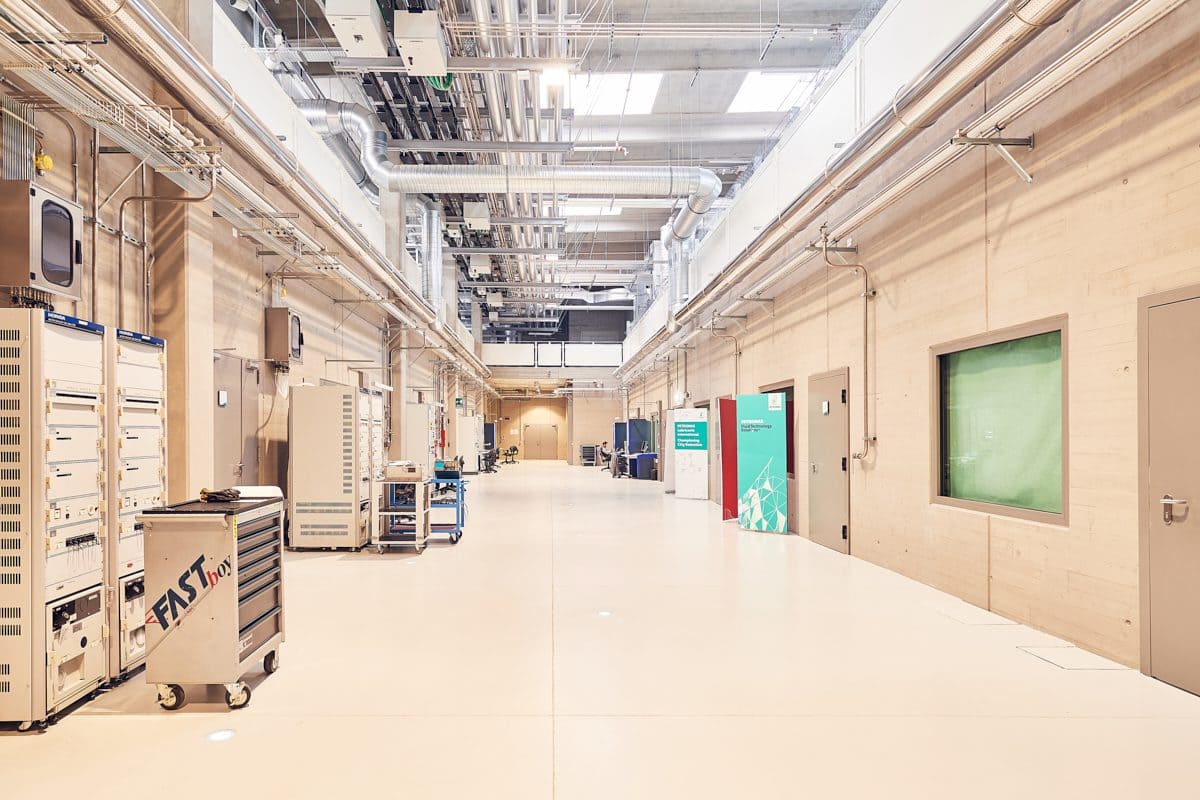
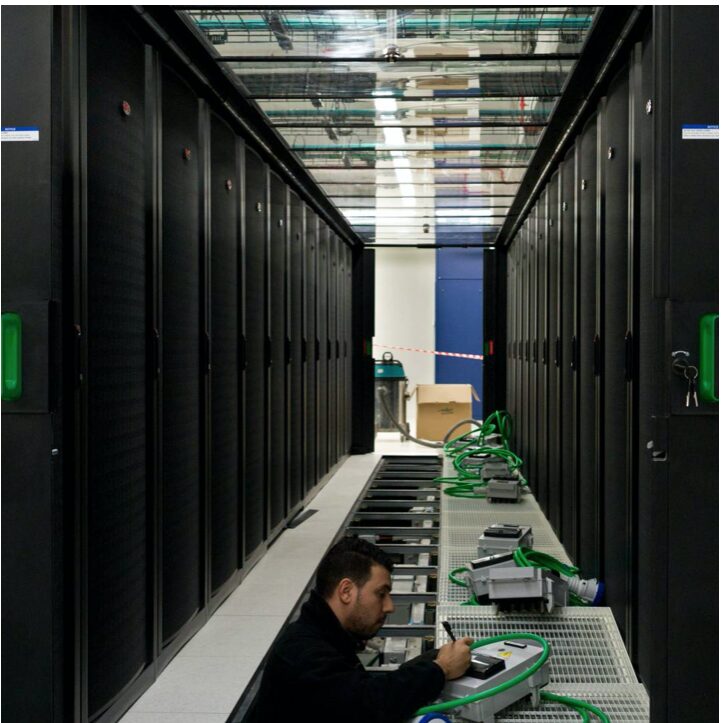
With this commitment in mind, Graziadio recently participated in the Technology Days in Madrid, an important international event organised by ANIE Federazione and the Italian Trade Agency (ITA).
The two-day programme was dedicated to some of the most significant topics shaping the future of our industry, including:
Energy infrastructure development
Data centre innovation
Technology trends and market evolution
International collaboration and business opportunities
The event featured a rich agenda of meetings, roundtable discussions, networking opportunities, and visits to some of Spain’s most innovative companies. These activities provided valuable insights into emerging technologies, market developments, and the challenges and opportunities facing the sector.
The Value of Market Dialogue
For Graziadio, events such as Technology Days are much more than networking opportunities. They are occasions to engage directly with industry leaders, exchange experiences, and gain a deeper understanding of the trends driving transformation across the market.
We firmly believe that sustainable growth is built through continuous dialogue and collaboration. By listening to the market, learning from industry experts, and sharing knowledge with peers, we strengthen our ability to respond effectively to changing customer needs and evolving technological demands.
Building Relationships, Sharing Ideas
The opportunity to connect with professionals from across the energy and technology sectors was invaluable. Meaningful conversations and the sharing of perspectives help create stronger partnerships and generate new ideas that can contribute to long-term innovation and business development.
As technologies continue to evolve and industries become increasingly interconnected, collaboration remains a key driver of progress.
Looking Forward
At Graziadio, we remain committed to investing in knowledge, innovation, and relationships that help us stay ahead of industry developments. By understanding change, we can continue to deliver effective, reliable, and forward-thinking solutions for our customers and partners.
We would like to thank ANIE Federazione and the Italian Trade Agency (ITA) for organising this successful event, and all participants for the insightful discussions, valuable exchanges, and shared vision for the future.
Modern retail environments are more complex than ever. From supermarkets and shopping centres to retail parks and mixed-use commercial developments, today’s facilities rely on a wide range of electrical systems working together seamlessly to deliver a safe, efficient and comfortable experience for customers and staff alike.
Behind the scenes, a single building may need to support lighting, HVAC systems, refrigeration, security and access control, point-of-sale technology, digital signage, electric vehicle charging and a variety of essential building services. Each system has different operational requirements, yet all depend on a reliable and resilient electrical infrastructure.
The Challenge of Large-Scale Power Distribution
As retail spaces increase in size and complexity, so do the demands placed on their electrical distribution systems.
Unlike smaller commercial premises, large retail environments often require power to be distributed across extensive floor areas, multiple departments and diverse operational zones. Fresh food counters, warehouses, car parks, office areas and customer-facing spaces all have unique energy requirements that must be accommodated within a single infrastructure.
At the same time, downtime is simply not an option. Any interruption to power can impact trading, disrupt critical systems and negatively affect the customer experience. Ensuring continuity and reliability is therefore a fundamental consideration during both the design and operation of the electrical network.
Designing for Flexibility and Growth
Retail environments are constantly evolving. Store layouts change, new technologies are introduced, and operational requirements adapt to meet changing customer expectations.
For this reason, electrical distribution systems should not only meet today’s demands but also provide the flexibility to support future developments.
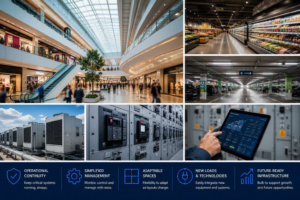
A well-designed infrastructure can help businesses:
⚡ Maintain operational continuity across critical systems
⚡ Simplify monitoring and management of the electrical network
⚡ Adapt to changing layouts and space utilisation
⚡ Accommodate new equipment, technologies and electrical loads
⚡ Support future expansion and business growth
⚡ Reduce disruption when modifications are required
By incorporating flexibility from the outset, building owners and operators can avoid costly upgrades and minimise disruption as their facilities evolve.
Building an Infrastructure for the Future
The most successful retail developments view electrical distribution as a long-term investment rather than a short-term requirement.
A robust distribution system provides the foundation for efficient building operation, helping to support energy management objectives while ensuring critical services remain available when needed. It also enables organisations to respond more effectively to changing market demands, technological advancements and sustainability initiatives.
As the retail sector continues to evolve, the ability to adapt quickly will become increasingly important. Whether integrating new technologies, reconfiguring store layouts or expanding operational areas, the electrical infrastructure must be ready to support change.
Delivering Reliable Power for Complex Environments
In large-scale retail and commercial environments, power distribution is about more than simply supplying electricity. It is about creating an infrastructure that delivers reliability, flexibility and long-term performance across every part of the facility.
By investing in scalable and future-ready electrical distribution solutions, organisations can ensure their buildings are equipped to meet today’s operational demands while remaining prepared for tomorrow’s opportunities.
At Graziadio UK, we work with customers to deliver electrical distribution solutions that support operational continuity, simplify infrastructure management and provide the flexibility required for modern commercial environments.
In industrial settings, designing an electrical infrastructure means making decisions that will impact the operation of the facility for many years to come.
However, one of the most common mistakes is to size energy distribution exclusively based on current needs, without considering the future evolution of the production activity.
New production lines, increased production capacity, the introduction of new machinery, or space reconfigurations are increasingly frequent events in modern industrial environments.
For this reason, modularity has become a fundamental design requirement.
A power distribution system must not only ensure reliability and safety in the present, but must also be able to adapt to future changes with the least possible operational impact.
Why industrial plants are constantly changing
In recent years, production processes have undergone a significant acceleration.
Companies must respond quickly to new market needs, increase production flexibility, and optimize space utilization.
This means that electrical systems must also be able to evolve.
The most frequent changes concern:
adding new machines;
expansion of production lines;
installation of new utilities;
reconfiguration of industrial environments;
increase in power required.
When the electrical infrastructure is not designed to support these changes, any intervention can become complex, costly, and require significant downtime.
The limits of rigid design
A power distribution designed without considering possible future expansions can generate operational difficulties.
Any changes to the system may require:
new wiring;
invasive interventions on existing lines;
scheduled stops;
extraordinary maintenance activities.
In production environments where operational continuity is a strategic factor, the ability to intervene rapidly on the infrastructure becomes a crucial element.
For this reason, designing with a modular logic does not simply mean predicting future growth, but creating the conditions to manage it efficiently.
Modularity: an increasingly strategic concept
When we talk about modularity in electrical infrastructure, we are referring to the ability of a system to adapt over time to the new needs of the plant.
A modular system allows you to:
expand energy distribution;
add new power points;
change the system configuration;
simplify maintenance interventions.
The goal is not only to facilitate future changes, but to reduce the impact such changes may have on production operations.
In other words, modularity allows you to design an infrastructure today that is ready to accommodate your company’s growth over time.
The role of busbar systems in energy distribution
Among the solutions used for energy distribution in industrial plants, busbar systems represent a modular approach.
Unlike a traditional distribution based solely on cables, the system can be configured to allow more flexible management of power supply and tap off points.
This feature is particularly interesting in contexts where the system is destined to evolve over time.
The ability to plan for future expansions during the design phase allows for easier management of changes and the maintenance of high infrastructure efficiency.
Where modularity makes the difference
The need to rapidly adapt energy distribution affects many industrial sectors.
Manufacturing industry
Production lines are frequently updated and reconfigured to meet market needs.
Logistics and automated warehouses
The introduction of new technologies and automated systems often requires a review of the power supply.
Data Centre
Increasing power density and the growth of IT infrastructure make the ability to expand power distribution critical.
Food industry
New production lines and plant expansions require systems that can adapt quickly to changes.
Automotive
The continuous evolution of production processes requires flexible and easily upgradable infrastructures.
Modularity and operational continuity
One of the most important aspects concerns the continuity of service.
Any intervention involving the electrical infrastructure can have consequences on production activities.
For this reason, the ability to plan changes and expansions through systems designed to evolve over time represents a significant advantage.
Modularity is not just about plant growth, but also about the ability to manage change while reducing the impact on day-to-day operations.
A choice that looks to the long term
When designing an electrical infrastructure, the question should not just be:
“How much energy do I need today?”
The real question is:
“How will my system change in the next few years?”
Considering aspects such as modularity, flexibility, and expandability from the outset allows for the creation of infrastructures that are more suited to future needs.
In an ever-evolving industrial landscape, designing with a long-term vision means creating the conditions for simpler, more efficient, and more sustainable growth.
Conclusions
Modern industrial plants require infrastructures capable of evolving alongside production needs.
For this reason, modularity has become an increasingly important design requirement in energy distribution.
Evaluating the possibility of future expansions, modifications, or reconfigurations from the early design stages allows for the construction of more flexible systems that are ready to face future challenges.
Busbar systems represent a concrete response to this need, offering an approach oriented towards modularity and efficient management of energy distribution in the most dynamic industrial contexts.
To learn more about Graziadio’s energy distribution solutions and evaluate the best system for your application, contact our technical team.
In the food industry, every downtime has a direct impact on production.
For this reason, energy distribution must be designed to ensure operational continuity, reliability and efficient management over time.
In environments where precision, control and stability are critical, the electrical infrastructure also becomes an integral part of the production process.
A well-designed deployment helps to:
• reduce inefficiencies and criticalities
• improve accessibility and maintenance
• support business continuity
• ensure order and management over time
Because in complex production contexts, reliability means continuity.
Reduced technical spaces, complex layouts, increasingly dense systems: when space is limited, even electrical distribution can become a problem.
A compact and uncluttered design allows you to:
✔ Optimize accessibility and maintenance
✔ Reduce operational criticalities
✔ Improve management over time
✔ increase system efficiency and continuity
Because the difference is not only the space available, but how it is designed.
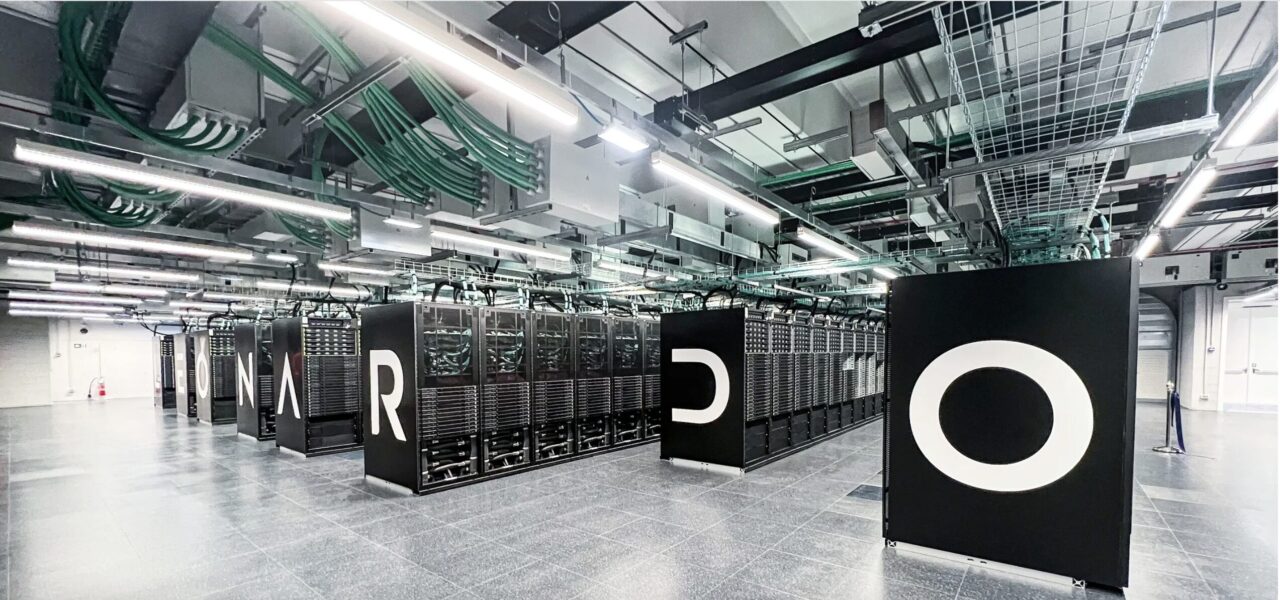
Modularity, power continuity, and scalability are redefining the way electrical distribution is designed in modern data centers.
Power continuity is one of the most critical elements within a data center. Today, however, the issue isn’t just about energy availability, but the ability of the entire infrastructure to ensure operational continuity, flexibility, and growth over time.
With increasing energy density, artificial intelligence, and IT loads, data centers are becoming increasingly complex infrastructures. For this reason, electricity distribution can no longer be considered a simple technical component, but a strategic part of the entire ecosystem.
According to several industry studies dedicated to critical infrastructure, modern data centers require modular and scalable architectures, designed to support future evolutions without compromising uptime, reliability, and business continuity.
Why downtime is the real problem
When talking about data centers, the focus often focuses on UPS’s, generators, and backup systems. In reality, electrical distribution also has a direct impact on business continuity.
Any complex intervention on the system may involve:
risk of operational downtime
longer maintenance times
expansion difficulties
greater installation complexity
increase in infrastructure hotspots
According to several international analyses dedicated to Data Centers, modularity and standardisation of the infrastructure are fundamental elements for reducing downtime, operational inefficiencies, and management complexity.
The growth of data centers is changing the needs of electricity distribution.
Next-generation data centers must be able to grow rapidly.
Expanding racks, increasing IT loads, and the continued evolution of AI technologies are changing the way power distribution is designed.
According to numerous white papers dedicated to mission-critical infrastructure, modern busway architectures enable more flexible and scalable management of electrical distribution than traditional systems, simplifying future modifications and reconfigurations of the infrastructure.
Industry analyses also highlight how modular data centers are now an increasingly widespread standard thanks to:
speed of implementation
design predictability
flexibility
future scalability
Why busbar trunking is becoming a strategic choice
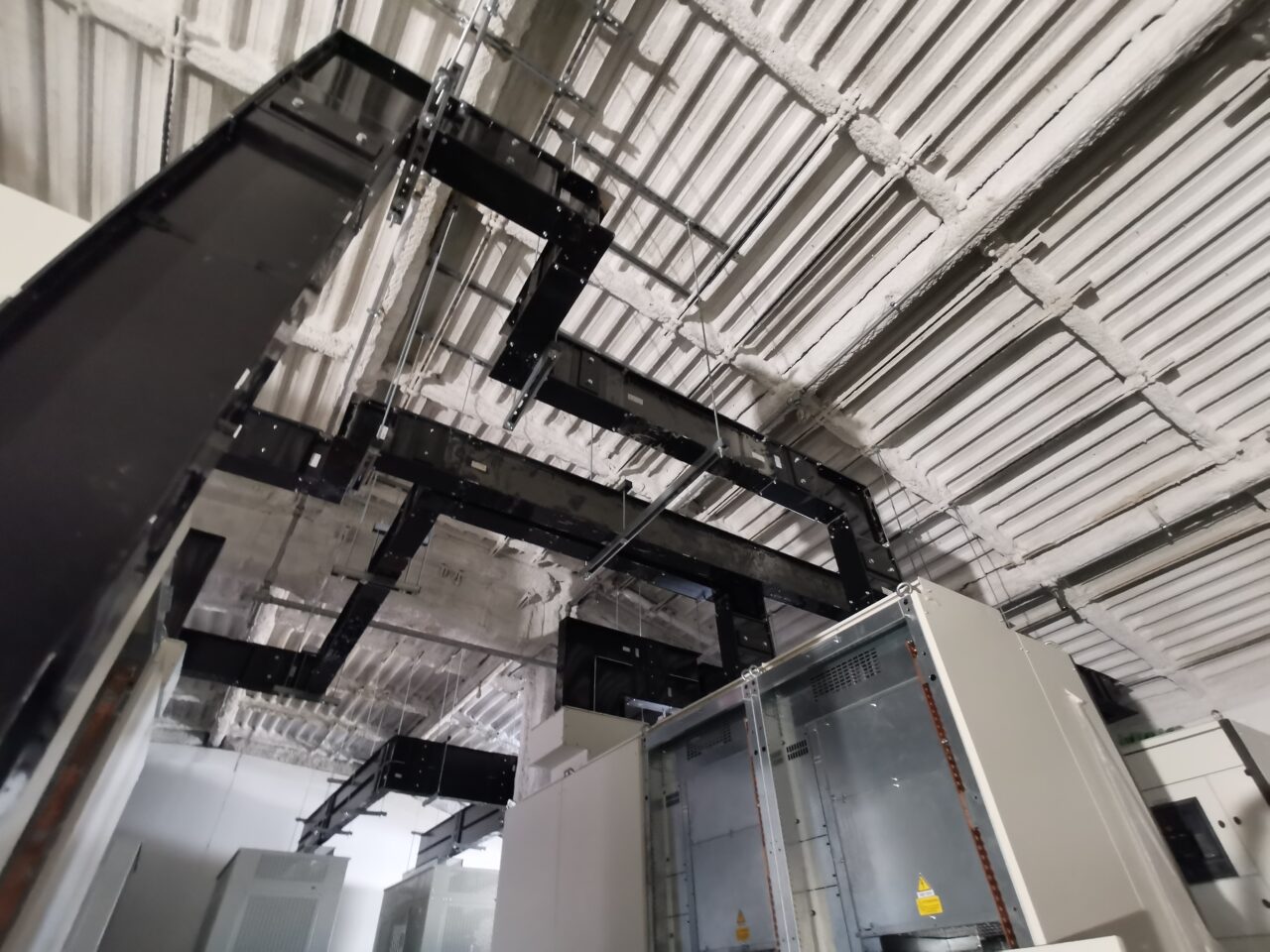
In this scenario, data centre busbar trunking is taking on an increasingly central role in the design of critical infrastructure.
Compared to architectures based exclusively on traditional cabling, busway systems for Data Centers allow you to:
optimize technical spaces
facilitate future expansions
reduce invasive interventions
improve accessibility and maintenance
increase the modularity of the system
In energy-dense data centers, these aspects become fundamental to maintaining operational continuity and growth capacity.
According to several analyses dedicated to data center infrastructures, modern busway solutions also allow for faster modifications and re-configurations, maintaining active electrical distribution and reducing system downtime.
Where busbar trunking really makes a difference
In a Data Centre, the ability to add new lines without significantly impacting the existing infrastructure represents a concrete operational advantage.
Modular systems such as busbar trunking allow for:
speed up future expansions
simplify maintenance
improve accessibility and system order
reduce the impact of changes on operations
These aspects are increasingly central in high-energy density data centers, where flexibility and continuity must coexist with the needs for constant growth.
The role of standards: IEC 61439
Reliability and security must also be supported by regulatory compliance.
The international standard IEC 61439 defines the requirements for low-voltage distribution systems, including busbar trunking systems (busways).
The checks required by the legislation concern fundamental aspects such as:
thermal behavior
short circuit resistance
insulation
continuity of the protection circuit
mechanical resistance
IP protection rating
In mission-critical environments such as data centers, these elements become indispensable to ensure security and business continuity.
Modularity means designing the future
Data Centers are not static infrastructures.
They must be able to evolve rapidly, adapt to new loads and support increasingly energy-intensive technologies without interrupting operations.
This is why today modularity, scalability and accessibility are not simply technical advantages, but essential design criteria.
And it is precisely in this context that distribution systems designed for business continuity can make the difference.
Solutions such as ISOLSBARRA by Graziadio & C. and the modular systems for electrical distribution designed for critical applications allow us to address the needs of:
energy continuity
reliability
protection
modularity
future scalability
in a single architecture designed to grow over time.
Because today the real risk in Data Centers is not running out of power.
In modern electrical installations, especially in sensitive environments with high plant density, the management of magnetic fields is no longer a detail. It is a design requirement.
With the K Series, a casing shield can be integrated that can reduce the magnetic field to less than 1 μT at 1 meter.
What does this mean exactly?
• Greater compatibility with sensitive environments (hospitals, data centres, offices)
• More freedom in plant design and layout
• Less interference with electronic equipment and systems
An advantage that is also becoming increasingly relevant in the tender phase, where the requirements related to EMC and magnetic fields are increasingly required.
Shielding is a solution to be evaluated based on the actual context, current, configuration and installation, because performance always depends on the system.
If you want to learn more about when it is worth adopting it and how to size it correctly, get in touch.
In the energy distribution sector, reliability doesn’t happen by chance. It’s the result of experience, technical expertise, and the ability to evolve over time.
Graziadio’s history embodies precisely this: over 65 years of experience in the field of industrial electrical distribution systems, with an approach that combines tradition and innovation.
Today Graziadio is a point of reference in the design of Made in Italy busbar trunking , thanks to a path built on quality, design and attention to the real needs of the systems.
The origins: a path built over time
Graziadio’s roots lie in a long Italian industrial tradition developed over six decades.
Since its inception, the company has operated in the electrical sector with a specific goal: to design reliable energy distribution solutions capable of responding to increasingly complex industrial contexts.
This approach has allowed Graziadio to grow progressively, consolidating technical skills and developing a vision oriented towards continuity and quality.
As the market evolved, Graziadio focused its business on the design and production of industrial power distribution systems , particularly busbar trunking.
This specialization today represents one of the distinctive elements of the company.
Energy continuity
Graziadio systems are designed to ensure operational continuity even in complex contexts.
Operational reliability
Reliability over time is a central design element, especially in industrial environments.
Flexibility of the systems
The solutions allow for adaptable configurations, capable of responding to evolving needs.
In the electrical distribution sector, every design choice has a direct impact on the efficiency and safety of the system.
System-Oriented Design
Graziadio develops solutions that are not limited to the product, but are part of a broader, system-oriented vision.
Efficiency and time management
The goal is to support designers and companies in creating more efficient, easier-to-manage, and more reliable systems over time.
The value of Made in Italy
One of the central elements in Graziadio’s history is the strong bond with Made in Italy .
Quality control
Italian production allows direct control over every phase of the production process.
Italian production
This approach ensures high quality standards and greater attention to design details.
In the Made in Italy busbar trunking sector , this represents a concrete value, especially in applications where continuity and reliability are fundamental.
Graziadio today: experience and vision
Today Graziadio is a consolidated reality in the industrial electricity distribution landscape.
The experience gained over time translates into technical expertise, the ability to manage complex projects, and ongoing support for designers and partners.
The energy sector is constantly evolving: increasing loads, digitalization, and new infrastructure needs are transforming the way energy is distributed.
In this context, Graziadio continues to develop solutions capable of responding to these transformations, keeping reliability, continuity, and flexibility at its core.
Conclusion
Graziadio’s story is the result of a journey built over time, based on experience, expertise, and the ability to evolve.
In environments where energy cannot stop, reliability also passes through order and accessibility: easier maintenance, faster interventions, fewer operational risks.
The role of busbar systems in ensuring continuity and reliability
Critical infrastructure represents the operational backbone of modern economic and social systems: data centers, hospitals, airports, industrial facilities, and transport networks all require absolute energy continuity, safety, and reliability.
In these contexts, power distribution is not just a technical component, it is a critical factor that directly impacts operational stability.
Even a short power interruption can have significant consequences:
data loss in data centers
disruption of healthcare services
operational downtime in industrial environments
failures in transport systems
For this reason, electrical system design in these environments must meet extremely strict requirements in terms of:
service continuity
operational safety
long-term reliability
maintainability and accessibility
Busbar systems: a solution designed for reliability
Busbar systems represent an advanced alternative to traditional distribution systems (such as cables and cable trays), offering tangible advantages in high-criticality environments.
Guaranteed energy continuity
Busbar systems are designed to ensure stable and continuous power distribution, reducing weak points and potential failure risks.
Compact and organized structure
Their installation allows for better space management, reducing clutter and improving the overall layout of technical areas.
Reduced losses and higher efficiency
Thanks to their construction, busbar systems enable efficient power distribution with lower energy losses compared to traditional systems.
Ease of maintenance
The modular structure allows for fast and targeted interventions, minimizing system downtime.
Safety: a design requirement, not an addition
In critical infrastructure, safety cannot be treated as an optional feature.
Busbar systems must be designed and tested according to international standards such as IEC 61439, which defines criteria for:
design verification
routine verification
thermal performance and insulation
short-circuit resistance
This approach ensures that every component is validated not only theoretically, but also through real testing.
Adaptability and scalability: energy ready to evolve
Critical infrastructure is constantly evolving. It expands, changes configuration, and requires increased power or new distribution lines.
Busbar systems make it possible to:
easily expand the system
modify distribution lines without invasive work
quickly adapt to new operational needs
This flexibility is a key advantage in terms of Total Cost of Ownership (TCO), reducing costs related to future modifications and downtime.
Operational efficiency and long-term control
An effective power distribution system must not only perform today, but also ensure consistent performance over time.
Busbar systems help to:
maintain high reliability standards
simplify system monitoring
reduce extraordinary maintenance
improve overall infrastructure management
The value of integrated design
The quality of a power distribution system is not defined only by its components, but by how it is designed, verified, and installed.
For this reason, it is essential to adopt an integrated approach that considers:
specific infrastructure requirements
real operating conditions
regulatory compliance
future growth perspectives
Conclusion
In critical infrastructure, power distribution must be:
safe
continuous
reliable
ready to evolve
Busbar systems are designed to meet these requirements, ensuring order, efficiency, and control throughout the entire lifecycle of the system.
Because when it comes to energy, especially in critical environments, it’s not just about powering a system:
it’s about ensuring it works, always.