
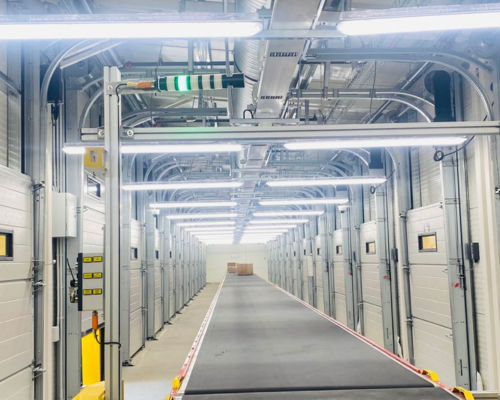
Designing a system with the future in mind
In industrial settings, designing an electrical infrastructure means making decisions that will impact the operation of the facility for many years to come.
However, one of the most common mistakes is to size energy distribution exclusively based on current needs, without considering the future evolution of the production activity.
New production lines, increased production capacity, the introduction of new machinery, or space reconfigurations are increasingly frequent events in modern industrial environments.
For this reason, modularity has become a fundamental design requirement.
A power distribution system must not only ensure reliability and safety in the present, but must also be able to adapt to future changes with the least possible operational impact.
Why industrial plants are constantly changing
In recent years, production processes have undergone a significant acceleration.
Companies must respond quickly to new market needs, increase production flexibility, and optimize space utilization.
This means that electrical systems must also be able to evolve.
The most frequent changes concern:
- adding new machines;
- expansion of production lines;
- installation of new utilities;
- reconfiguration of industrial environments;
- increase in power required.
When the electrical infrastructure is not designed to support these changes, any intervention can become complex, costly, and require significant downtime.
The limits of rigid design
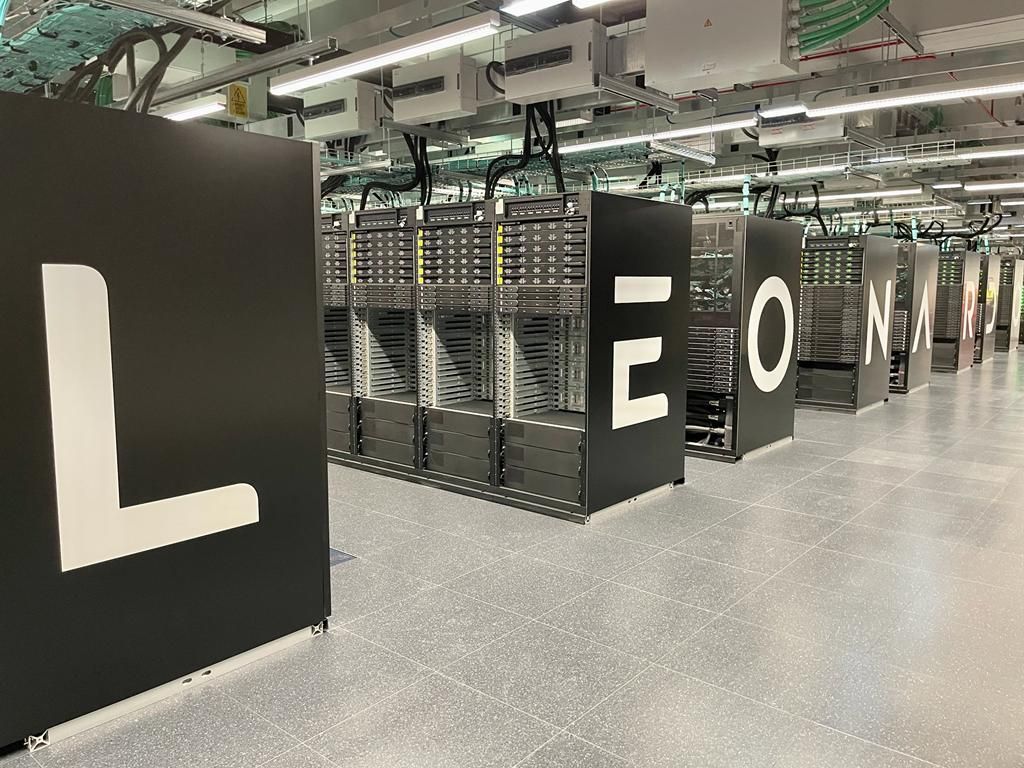
A power distribution designed without considering possible future expansions can generate operational difficulties.
Any changes to the system may require:
- new wiring;
- invasive interventions on existing lines;
- scheduled stops;
- extraordinary maintenance activities.
In production environments where operational continuity is a strategic factor, the ability to intervene rapidly on the infrastructure becomes a crucial element.
For this reason, designing with a modular logic does not simply mean predicting future growth, but creating the conditions to manage it efficiently.
Modularity: an increasingly strategic concept
When we talk about modularity in electrical infrastructure, we are referring to the ability of a system to adapt over time to the new needs of the plant.
A modular system allows you to:
- expand energy distribution;
- add new power points;
- change the system configuration;
- simplify maintenance interventions.
The goal is not only to facilitate future changes, but to reduce the impact such changes may have on production operations.
In other words, modularity allows you to design an infrastructure today that is ready to accommodate your company’s growth over time.
The role of busbar systems in energy distribution
Among the solutions used for energy distribution in industrial plants, busbar systems represent a modular approach.
Unlike a traditional distribution based solely on cables, the system can be configured to allow more flexible management of power supply and tap off points.
This feature is particularly interesting in contexts where the system is destined to evolve over time.
The ability to plan for future expansions during the design phase allows for easier management of changes and the maintenance of high infrastructure efficiency.
Where modularity makes the difference
The need to rapidly adapt energy distribution affects many industrial sectors.
Manufacturing industry
Production lines are frequently updated and reconfigured to meet market needs.
Logistics and automated warehouses
The introduction of new technologies and automated systems often requires a review of the power supply.
Data Centre
Increasing power density and the growth of IT infrastructure make the ability to expand power distribution critical.
Food industry
New production lines and plant expansions require systems that can adapt quickly to changes.
Automotive
The continuous evolution of production processes requires flexible and easily upgradable infrastructures.
Modularity and operational continuity
One of the most important aspects concerns the continuity of service.
Any intervention involving the electrical infrastructure can have consequences on production activities.
For this reason, the ability to plan changes and expansions through systems designed to evolve over time represents a significant advantage.
Modularity is not just about plant growth, but also about the ability to manage change while reducing the impact on day-to-day operations.
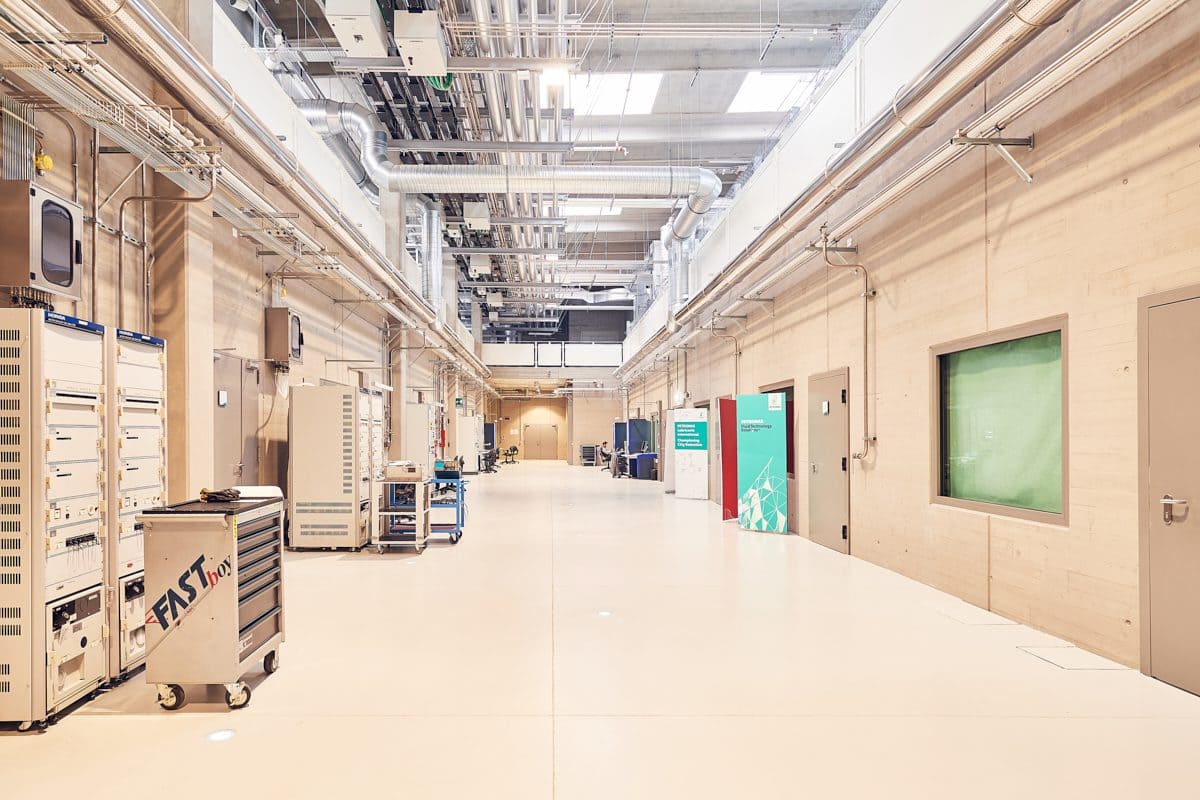
A choice that looks to the long term
When designing an electrical infrastructure, the question should not just be:
“How much energy do I need today?”
The real question is:
“How will my system change in the next few years?”
Considering aspects such as modularity, flexibility, and expandability from the outset allows for the creation of infrastructures that are more suited to future needs.
In an ever-evolving industrial landscape, designing with a long-term vision means creating the conditions for simpler, more efficient, and more sustainable growth.
Conclusions
Modern industrial plants require infrastructures capable of evolving alongside production needs.
For this reason, modularity has become an increasingly important design requirement in energy distribution.
Evaluating the possibility of future expansions, modifications, or reconfigurations from the early design stages allows for the construction of more flexible systems that are ready to face future challenges.
Busbar systems represent a concrete response to this need, offering an approach oriented towards modularity and efficient management of energy distribution in the most dynamic industrial contexts.
To learn more about Graziadio’s energy distribution solutions and evaluate the best system for your application, contact our technical team.