
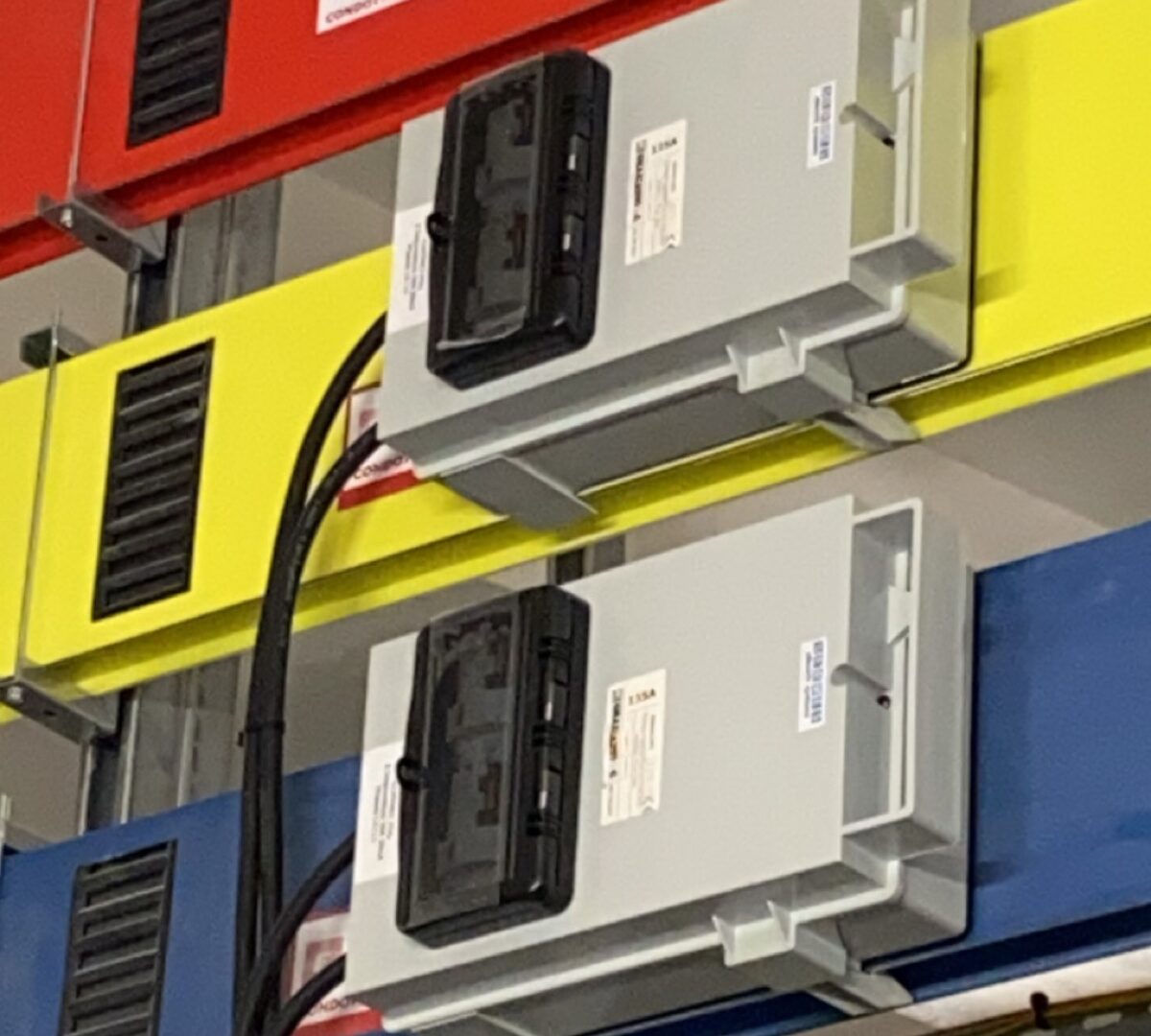
Sustainability in the industrial world is no longer just an ethical principle, but a competitive lever . Today, companies are faced with designing electrical systems that ensure production continuity, reduced consumption, and adaptability over time. In this scenario, the busbar trunking system (bus duct) is not simply a technical solution for energy distribution: It is a strategic asset that contributes to the construction of more responsible, long-lasting infrastructures that are ready for the evolution of production processes.
Sustainability, in fact, is not expressed only through immediate energy savings, but through a system’s ability to maintain constant performance over the long term , with fewer interventions, less material waste and greater operational efficiency.
A conscious design choice
Busbar trunking as an industrial infrastructure
Busbar trunking is a prefabricated system that uses conductive busbars protected by a metal casing.
It was created to guarantee:
-
- stable power distribution,
- low levels of dispersion,
- neat and modular installations.
But beyond the technical advantages, what sets it apart is its consistency with a vision of a system that must last over time.
Life cycle as a design parameter
From an industrial sustainability perspective, it’s not just the initial cost that matters.
What matters is the plant’s useful life and its ability to:
-
- maintain consistent performance,
- adapt to new loads,
- reduce production downtime,
- be inspected, expanded and updated without demolition or waste.
Busbar trunking was created precisely for this type of logic.
Sustainability as business continuity
Reliability that reduces waste and risks
Any interruption in the electrical distribution generates:
-
- indirect costs,
- production waste,
- loss of efficiency.
The robustness of busbar trunking drastically reduces the probability of unplanned failures, making a concrete contribution to the economic and environmental sustainability of the production site.
Energy efficiency as a cumulative value
The controlled geometry of the conductors and the reduction of electrical resistance along the path contribute to:
-
- reduce Joule losses,
- maintain more stable operating temperatures,
- improve overall system performance.
This is not a one-time saving, but a benefit that accumulates every day , throughout the life of the system.
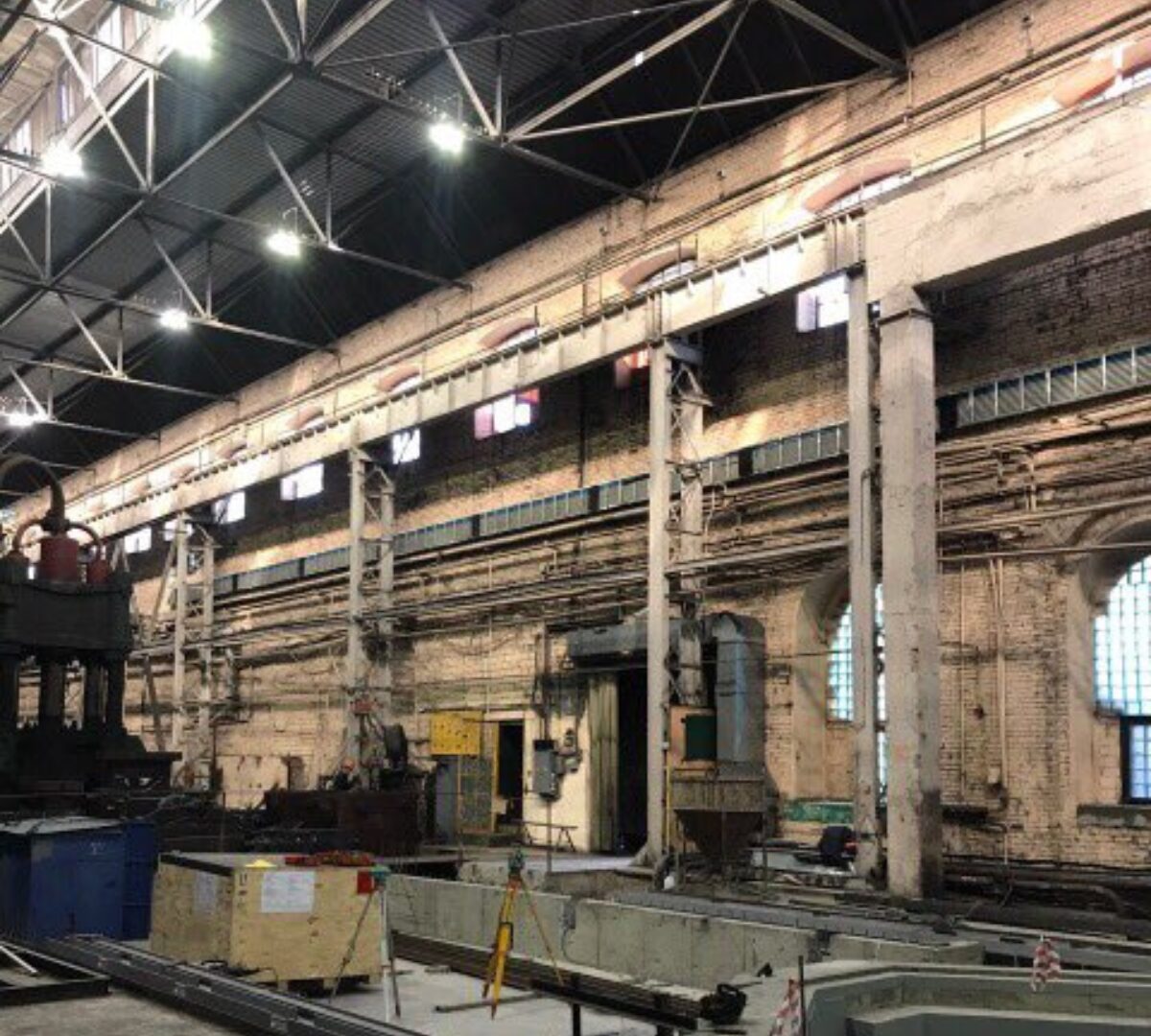
Modularity and adaptability: designing for the future
Growth and reconfiguration without waste
Industrial production is evolving: lines are expanding, loads are changing, areas are being repurposed.
A sustainable plant is one that can grow without demolishing , replacing, or throwing away.
The barrier allows:
-
- adding derivations without reworking,
- routes that can be modified over time,
- integration with new panels and utilities.
It is a system created to accompany the company’s development , not to constrain it.
Reduction of maintenance interventions
The ability to easily inspect and verify joints enables predictive, rather than corrective, maintenance.
Fewer emergencies = less waste = greater sustainability.
Where sustainability becomes a strategic necessity
Critical Infrastructure
Data centres , hospitals, transportation, and large-scale logistics: contexts where electrical continuity is a mission , not an option.
Here, busbar trunking ensures long-term resilience and stability.
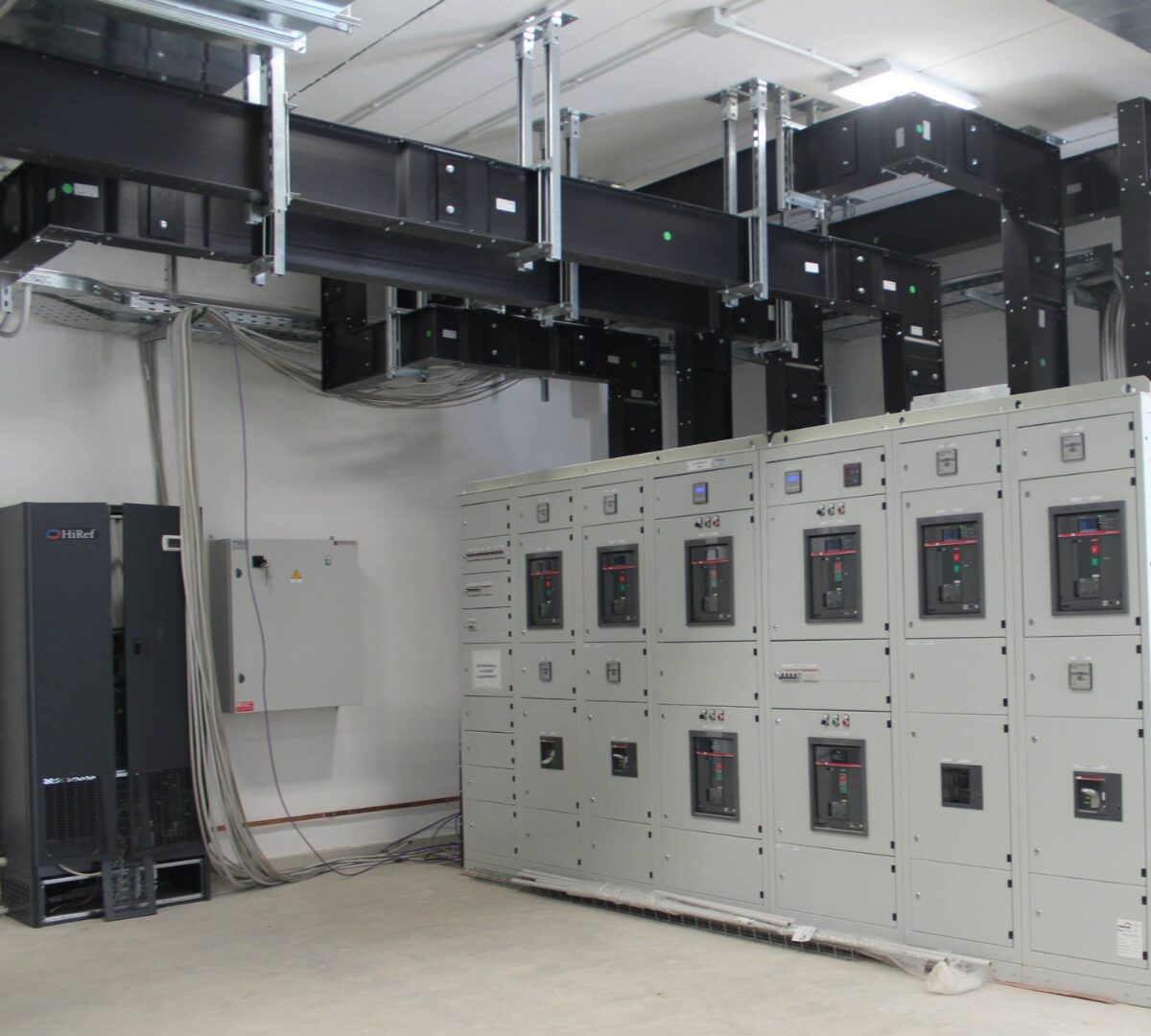
Advanced industrial plants
In sectors where energy represents a strategic cost item, such as:
-
- automotive,
- food,
- manufacturing,
- packaging, an efficient and modular system allows for greater operational control.
A forward-looking approach to sustainability
Designing today for future performance
Sustainability isn’t just about reducing immediate consumption.
It’s:
-
- choose recyclable materials,
- reduce substitutions,
- limit invasive interventions,
- ensure performance stability over time.
An investment that generates value
Sustainability becomes a competitive advantage when:
-
- extends the useful life of the systems,
- reduces downtime costs,
- improves production efficiency.
Busbar fits perfectly into this logic.
Conclusion
Busbar trunking isn’t simply a technical choice. It’s a strategic
decision , consistent with an industry that aims to:
-
- business continuity,
- responsibility in the use of resources,
- systems designed to last.
The solutions developed by Graziadio & C. are born with this vision: to guarantee modular, safe, and high-performance systems, designed to support today’s industrial plants and prepare them for tomorrow’s evolutions.
To help you determine the best solution for your facility’s needs, our technical team is available for a personalized consultation.